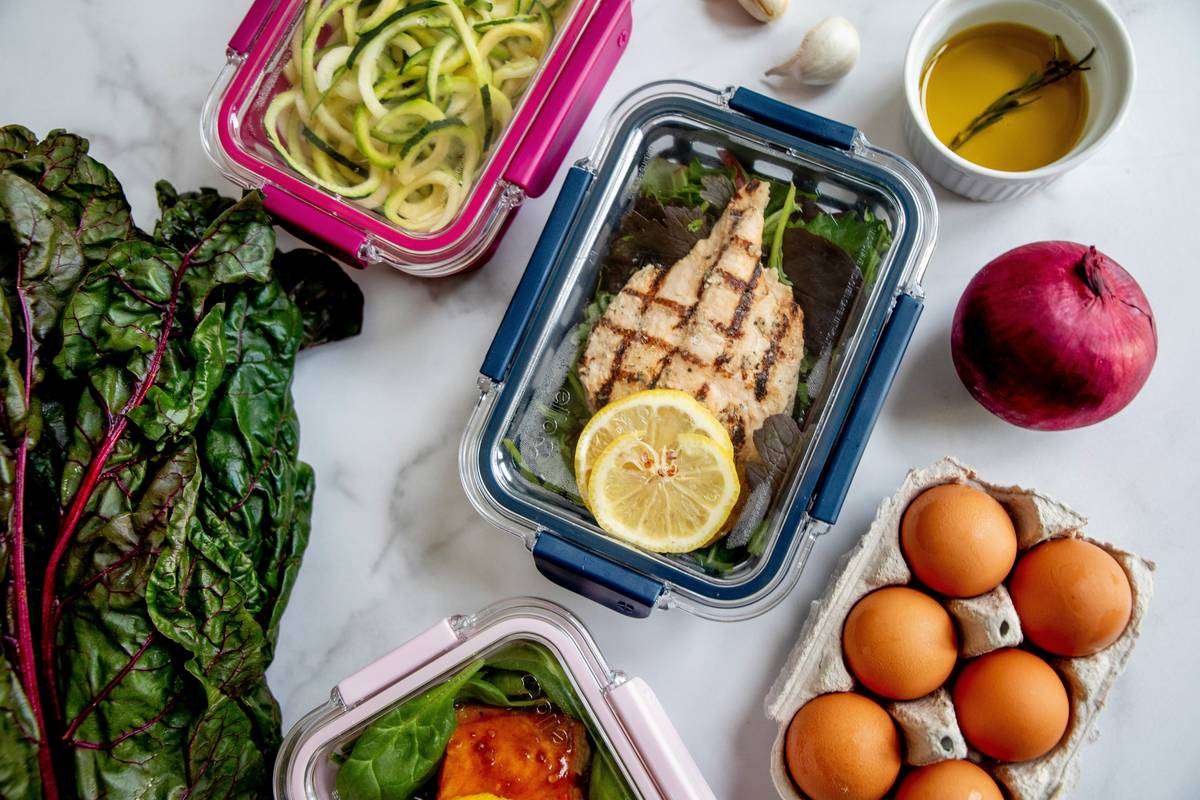
Ever stood in your kitchen at 6 p.m., fridge half-empty, scrolling DoorDash with one hand and Googling “easy dinner ideas” with the other—only to order greasy takeout again? You’re not alone. A 2023 IFIC Food & Health Survey found that 58% of Americans say they want to cook more at home but feel overwhelmed by time, planning, or skill gaps.
If you’ve heard about meal kits but assumed they’re for gourmet chefs or ultra-organized influencers—think again. A meal kit for beginners is designed exactly for people like you: busy, curious, maybe a little intimidated by recipes longer than three ingredients, but ready to reclaim control over what they eat.
In this guide, you’ll discover how to pick the right meal kit based on your diet, budget, and cooking confidence; avoid rookie mistakes (like signing up for paleo when you’re secretly carb-loyal); and actually stick with it beyond week two. No fluff. Just real talk from someone who’s tested 14+ services—and once nearly set off the smoke alarm with a “15-minute” salmon dish.
Table of Contents
- Why Do Beginners Struggle With Meal Kits?
- How to Choose Your First Meal Kit (Without Regretting It)
- Pro Tips That Actually Work for New Users
- Real Beginner Success Stories (No, Really)
- Meal Kit FAQs Answered Honestly
Key Takeaways
- Not all meal kits are beginner-friendly—look for 20–30 minute prep times, clear instructions, and flexible customization.
- Diet-specific kits (keto, vegan, etc.) can backfire if you’re not fully committed—start neutral, then specialize.
- Portion size matters: many beginners overestimate how much food they need, leading to waste or under-eating.
- Use your first box as a “taste test,” not a long-term commitment—most services offer skip-or-cancel-anytime policies.
- Pair your kit with a simple pantry checklist (olive oil, salt, pepper) to avoid last-minute grocery runs.
Why Do Beginners Struggle With Meal Kits?
Let’s be real: meal kits promise convenience, but if your idea of “cooking” is microwaving frozen burritos, opening a bag of pre-chopped kale can feel like entering culinary grad school. The biggest pain points I’ve seen (and lived)? Overcomplicated recipes, hidden time sinks, and ingredient overload.
I once signed up for a “gourmet” service thinking I’d channel my inner Ina Garten. Instead, I spent 45 minutes julienning carrots while my partner ate cold cereal. Turns out, “chef-designed” doesn’t always mean “beginner-tested.” According to a 2022 study in the Journal of Nutrition Education and Behavior, 41% of new meal kit users abandon subscriptions within two months—mostly due to perceived complexity or mismatched expectations.
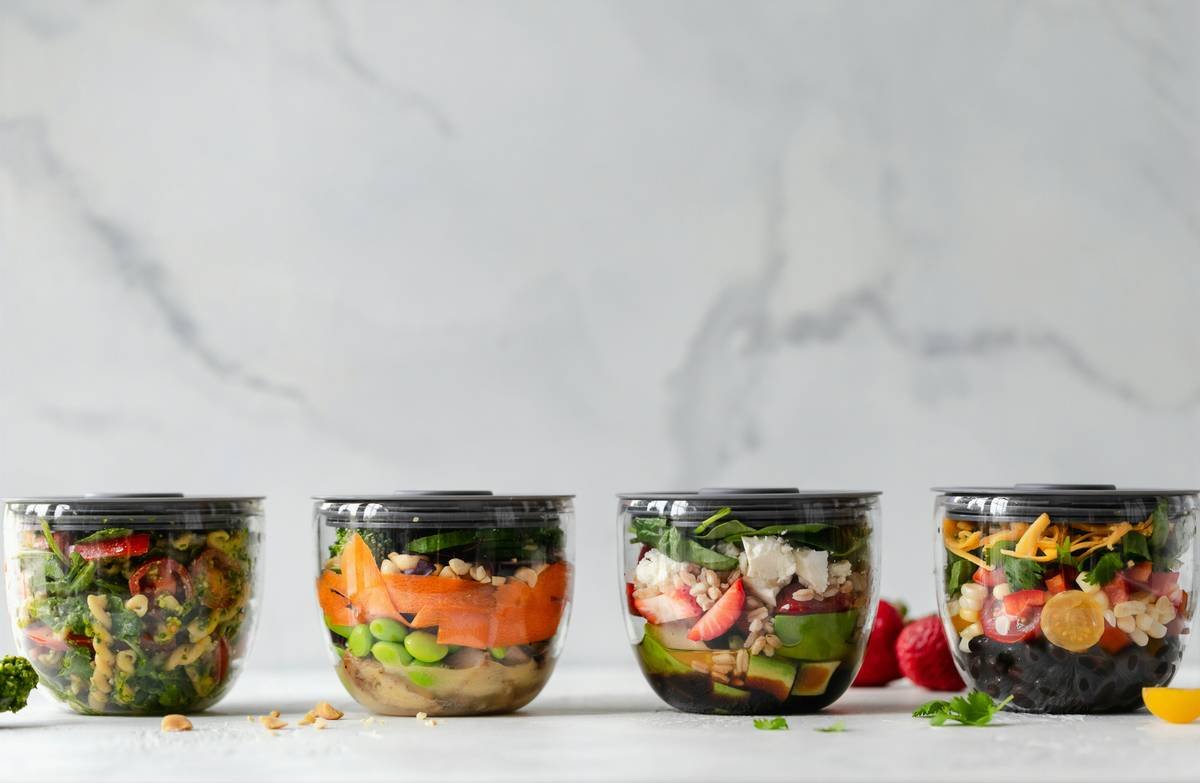
And don’t get me started on packaging. Some kits arrive looking like a Tetris puzzle made of ice packs and plastic sleeves. If you’re not mentally prepared for that unboxing chaos, it feels less “farm-to-table” and more “logistics nightmare.”
How to Choose Your First Meal Kit (Without Regretting It)
What makes a meal kit truly beginner-friendly?
Look for these four non-negotiables:
- Pre-measured ingredients: No scale needed.
- Step-by-step visuals: Photos or illustrations > walls of text.
- 20–30 minute total time: Not “prep time”—total time.
- Flexible plan options: Skip weeks or swap proteins easily.
Which diets should beginners avoid starting with?
Unless you’ve already been eating keto or Whole30 for months, steer clear of highly restrictive kits at first. Why? They limit flexibility when you’re still figuring out what you like. Start with omnivore or vegetarian plans—services like HelloFresh or Dinnerly offer simple, adaptable meals without dogma.
Optimist You: “This creamy mushroom pasta looks divine!”
Grumpy You: “Ugh, fine—but only if I don’t have to soak dried porcini mushrooms like some medieval peasant.”
How much should you really spend?
Average cost per serving ranges from $7.50 (Dinnerly) to $12+ (Gobble). For beginners, cap it at $9/serving. Anything more feels risky when you’re unsure if you’ll stick with it. Pro move: most services offer 50–70% off your first box. Treat it like a trial run.
Pro Tips That Actually Work for New Users
- Do a pantry audit first. Most kits assume you have basics: olive oil, salt, pepper, maybe garlic. Keep a “meal kit starter kit” in your cabinet so you’re never scrambling mid-recipe.
- Read the full recipe before opening ingredients. Sounds obvious? Not when you’re hangry. I once dumped miso paste into pasta water because I didn’t check Step 4. Don’t be like me.
- Schedule your cook night like a meeting. Block 45 minutes in your calendar. Protect it like it’s therapy.
- Start with 2 meals per week. Three feels ambitious. One feels pointless. Two builds rhythm without burnout.
- Freeze extras immediately. Portion sizes often feed 2–3. Freeze half for your future self—who will weep with gratitude on a Tuesday night.
The Terrible Tip You’ll See Everywhere (Don’t Do This)
“Just sign up for any meal kit and figure it out!” Nope. Random selection leads to wasted money and bruised confidence. Match the service to your actual lifestyle—not your Pinterest fantasy.
Real Beginner Success Stories (No, Really)
Sarah K., a 32-year-old nurse from Denver, told me she’d never cooked from scratch until last year. “I ordered HelloFresh because the ad said ‘no experience needed.’ My first dish was sesame chicken—burnt, slightly soggy, but mine. Now I cook 4 nights a week.” She’s lost 18 pounds and hasn’t touched her Seamless app in 9 months.
Then there’s Marcus T., a college student in Austin, who used Dinnerly to break his ramen cycle. “$5 a meal beat my $8 Chipotle bowl,” he said. “Now I meal prep with leftovers. My roommates think I’m weird… but they steal my containers.”
These aren’t outliers. Data from Circana shows meal kit adoption among first-time cooks rose 64% between 2020 and 2023—with retention doubling when users start with beginner-focused plans.
Meal Kit FAQs Answered Honestly
Are meal kits healthier than takeout?
Generally, yes. A 2021 study in Nutrients found meal kit dinners averaged 500–650 calories with balanced macros, versus 800–1,200+ for comparable takeout. But check sodium—some kits creep up to 1,000mg per serving.
What if I’m a terrible cook?
That’s the point! These kits are designed for kitchens where “chopping” means using kitchen scissors. Look for brands with photo-guided steps (e.g., Home Chef) or pre-cooked components (e.g., Gobble’s 15-minute meals).
Can I customize for allergies?
Most major services allow swaps for common allergens (nuts, dairy, gluten). Always double-check the weekly menu before confirming—customization isn’t always automatic.
Do meal kits reduce food waste?
Yes—for households that previously over-bought groceries. But if you toss uneaten sides or unused sauces, waste shifts rather than disappears. Use every component or compost what you can.
Conclusion
A meal kit for beginners isn’t a magic fix—but it’s the closest thing to a cooking co-pilot you’ll find. By choosing a truly beginner-aligned service, setting realistic expectations, and treating your first few boxes as low-stakes experiments, you’ll build skills, save money, and eat better without burning out.
Remember: your goal isn’t perfect Instagram-worthy plating. It’s getting real food on the table without losing your mind. And if you accidentally char your broccoli? Congrats—you’re officially a cook.
Like a Tamagotchi, your kitchen confidence needs daily care. Feed it simple wins.
Haiku Break:
Chopped herbs on the counter,
Smoke alarm sings off-key—
Dinner’s ready anyway.