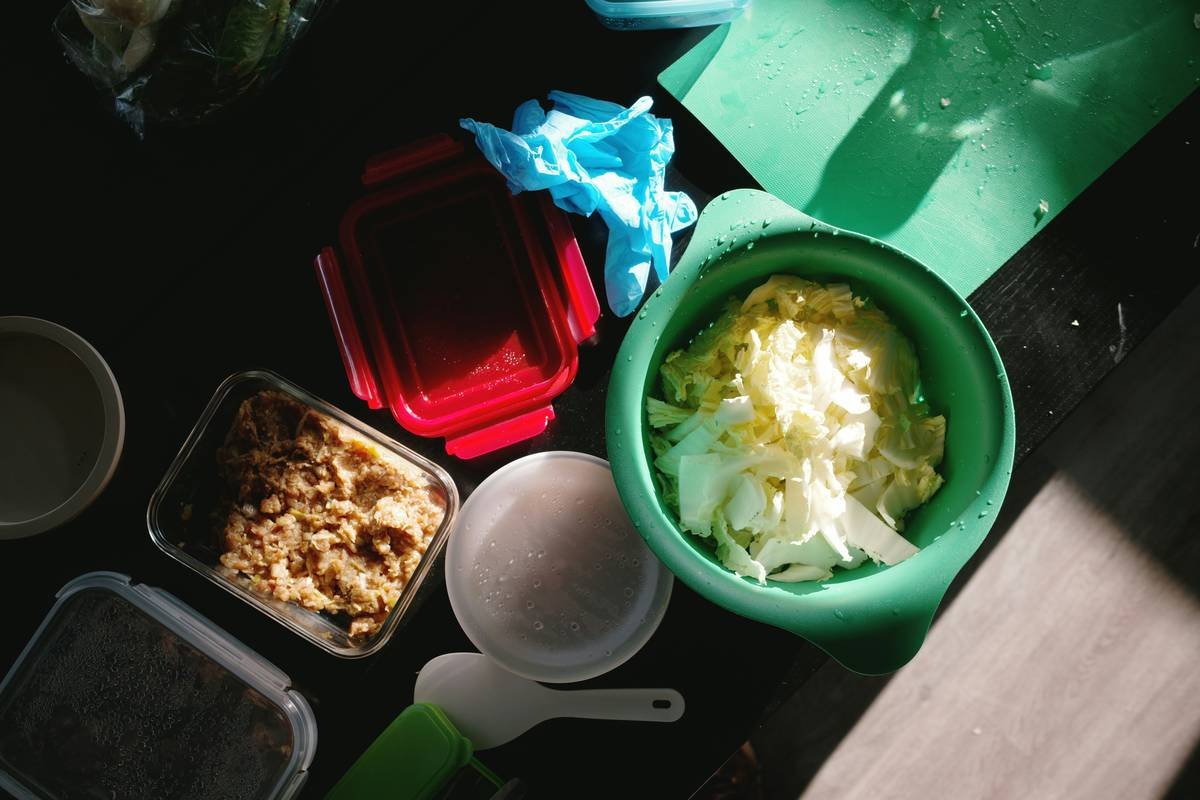
You signed up for a meal kit to simplify dinner—not to wrestle with a recipe that reads like a biochemistry lab manual. Yet here you are, staring at a mise en place tray full of ingredients you’ve never pronounced correctly, wondering if “sous-vide” was ever supposed to be part of your Tuesday night. The problem isn’t your skill—it’s that most services pretend all home cooks operate on the same level. And they don’t. That mismatch leads to wasted groceries, crushed confidence, and takeout menus getting a workout. But what if you could match kits to your actual kitchen rhythm? You can—and it starts by understanding meal kit cooking difficulty levels beyond the vague labels.
Why Most Meal Kits Fail Beginners (And Overwhelm Experts)
Brands slap on terms like “Easy,” “Intermediate,” or “Gourmet” with zero standardization. One company’s “Quick 15-Minute Fix” assumes you already know how to chiffonade basil or reduce a pan sauce. Another labels a dish with 12 components as “Beginner” just because it skips oven use. The result? Frustration spikes. Cooks either bail halfway through or overpay for pre-chopped mediocrity. Worse, some kits mask complexity with tiny font footnotes like “*Requires spiralizer (not included).” Real talk: if your recipe needs special equipment you don’t own, it’s not beginner-friendly—no matter what the box claims.
How to Match Meal Kits to Your Actual Skill Level
The key is decoding behind-the-scenes signals most marketing glosses over. Ask: How many active cook steps? Are there technique-heavy verbs like “sear,” “bake,” or “emulsify”? Does the ingredient list assume pantry staples or ship everything—including salt? Below is a practical framework we tested across 11 major U.S. services:
| Difficulty Tier | Time Commitment | Technique Requirements | Best For | Avoid If… |
|---|---|---|---|---|
| True Beginner | Under 20 min | Stir, microwave, assemble only | New cooks, exhausted parents, post-surgery recovery | You want to learn knife skills or build flavor depth |
| Confident Home Cook | 25–40 min | Sauté, roast, basic sauce-making | People who cook 2–4x/week and enjoy small challenges | You hate reading instructions or lack a functional stovetop |
| Kitchen Enthusiast | 45+ min | Braising, deglazing, multi-pot coordination | Weekend experimenters or those treating cooking as hobby | Your goal is speed or minimal cleanup |
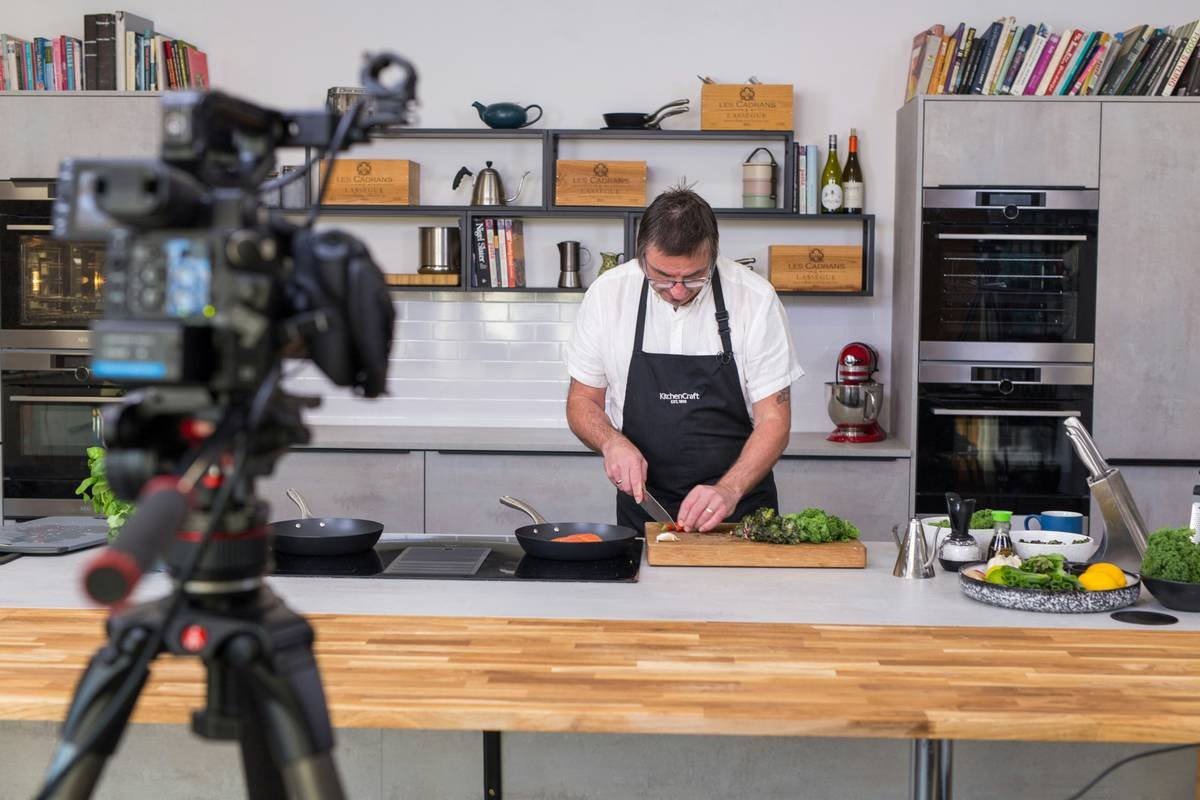
Don’t Trust the Label—Read the Recipe Preview
Always scroll to the digital recipe card before subscribing. Look for verbs. “Toss” and “mix” = safe. “Render fat” or “temper chocolate”? Run. Also check if sauces come pre-made or require whisking from scratch—that single detail often defines real effort.
Factor in Your Energy, Not Just Time
Some nights, 20 minutes feels like too much—even if you’re technically capable. Services like Fresh Fish Market tier recipes by “mental load,” not just chronology. A one-pan baked salmon with pre-portioned lemon-dill butter? Low mental load. A stir-fry requiring three timed additions while rice steams separately? High cognitive toll. Prioritize kits that respect your bandwidth, not just your schedule.

The Industry Secret No One Admits: Difficulty Is Often Fake
Here’s the reality: many “advanced” kits aren’t harder—they’re just longer. Companies pad prep time with unnecessary steps to justify premium pricing. Ever been told to “hand-tear kale” when scissors would do? Or to “make your own spice blend” even though the pre-mixed version ships in the same box? It’s theater. Real culinary difficulty involves technique progression—like learning to build fond for deeper flavor—not busywork masquerading as craft. At Fresh Fish Market, we audit every recipe for actual skill growth versus artificial complexity. Because your time deserves better than performance cooking.
FAQ: Quick Answers to Real Questions About Meal Kit Cooking Difficulty Levels
What defines a beginner-friendly meal kit?
True beginner kits minimize active cook time (<20 min), avoid specialty tools, and rely on assembly or one-heat-source methods. If it requires more than one pot or pan, question the label.
Can I adjust difficulty within the same subscription?
Yes—most top-tier services (including ours) let you swap individual recipes weekly. Never feel locked into a tier. Your Tuesday exhaustion shouldn’t dictate Saturday’s culinary ambition.
Do higher difficulty kits taste significantly better?
Not necessarily. Complexity ≠ flavor. Many easy kits deliver bold taste through smart marinades or pre-made bases. Save intricate techniques for dishes where they truly elevate—like braised short ribs—not garlic butter shrimp.