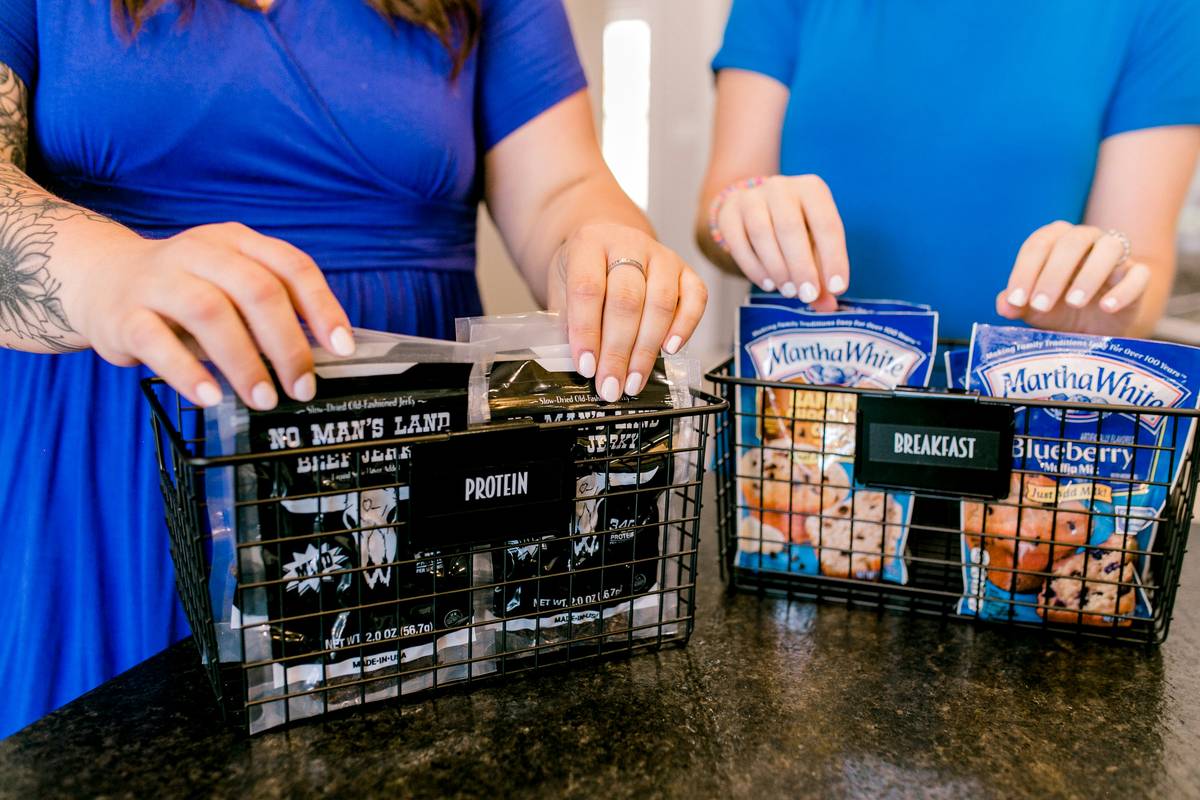
You’re exhausted. The fridge is half-empty. Takeout feels like defeat. And cooking from scratch? That’s a two-hour project you don’t have time for. You’ve probably scrolled past dozens of “easy meal kits” promising salvation—but most leave you with weird packaging, confusing instructions, or ingredients that spoil before Thursday. Here’s the fix: not all meal kits are created equal. The right one cuts your kitchen stress in half without sacrificing flavor or nutrition.
Why Most Meal Kits Fail Busy People
They overcomplicate simplicity. A true “easy meal kit” shouldn’t require culinary school training or 17 tiny packets of sauce. Yet many services ship pre-chopped veggies in plastic trays, include obscure spices you’ll never use again, or assume you own three types of cookware. The illusion of convenience collapses when you’re standing over the stove at 8 p.m., squinting at a QR code that links to a video you can’t hear over your toddler’s meltdown.
And portion control? Often an afterthought. You end up with 1.5 servings—enough to feel wasteful but not enough to call it leftovers.
easy meal kits explained: Your Step-by-Step Decision Framework
Choosing isn’t about flashy branding. It’s about matching the kit’s design to your real-life rhythm. Ask: How much prep can I actually tolerate? What’s my cleanup tolerance? Do I need dietary precision—or just speed?
Dietary Alignment Over Hype
Gluten-free? Keto? Plant-based? Skip services that “accommodate” your needs as an add-on. Look for brands built from the ground up for your diet—not retrofitted. FreshFishMarket.org’s seafood-focused kits, for instance, cater naturally to pescatarians and low-carb eaters without forcing substitutions.
Prep Time ≠ Cook Time
Watch the fine print. “20-minute meal!” might mean 10 minutes of active chopping, sautéing, and plating—plus another 15 waiting for water to boil or rice to steam. True ease means under 10 minutes of hands-on work. Period.
Waste Audit
Count the packaging layers. If your recycling bin groans louder than your stomach, that “convenience” has hidden costs. Sustainable kits use minimal, recyclable materials—not vacuum-sealed plastic nests for each herb sprig.

| Kit Type | Avg. Active Prep | Price/Serving | Packaging Footprint | Best For |
|---|---|---|---|---|
| Full-Assembly (chopped + prepped) | 5–8 min | $11–$14 | High | Ultra-busy professionals; new cooks |
| Partial-Prep (whole ingredients + recipe) | 12–18 min | $8–$11 | Moderate | Confident home chefs; budget-conscious families |
| Specialty (e.g., seafood-focused) | 7–10 min | $10–$13 | Low–Moderate | Health-focused eaters; pescatarians |
The Industry Secret No One Talks About
Most meal kit companies lose money on your first box. They bank on you staying for months—even if the meals suck. Why? Customer acquisition costs are brutal. So they load early deliveries with premium ingredients to hook you… then quietly swap in cheaper proteins or smaller portions by month two. Watch your shrimp shrink from jumbo to medium without warning. Track your salmon fillets—they’ll thin out by 15% after your third delivery. The math is simple: their margins depend on you not noticing gradual downgrades.
Here’s how to fight back: rotate between 2–3 trusted providers. Keeps them honest—and your palate curious.
Frequently Asked Questions
Are easy meal kits actually cheaper than grocery shopping?
No—if you’re a disciplined shopper. But factor in impulse buys, spoiled produce, and takeout fallbacks, and kits often break even while saving 5+ hours weekly.
Can I skip weeks without canceling?
Yes. Every reputable service (including those featured at freshfishmarket.org) lets you pause or skip deliveries via your account dashboard—no calls needed.
Do these kits work for families with picky eaters?
Only if you customize. Choose providers offering individual meal selections per serving—not fixed family plans. Lets kids get buttered noodles while you enjoy miso-glazed cod.