Ever stood in your kitchen at 7 p.m., fridge half-empty, energy fully depleted, and thought, “I just need someone to feed me—like, literally?” You’re not alone. The global meal kit delivery market is projected to hit $25.3 billion by 2028—because who has time (or willpower) to plan, shop, chop, cook, and clean up every night?
If you’ve been drowning in DoorDash receipts or surviving on sad desk salads, this guide cuts through the noise. We’ll walk you through the meal delivery basics you actually need: how to pick a service that fits your diet, budget, schedule—and sanity. You’ll learn how to avoid overpriced cardboard boxes of disappointment, decode subscription traps, and even spot red flags before you commit.
By the end, you won’t just understand meal delivery—you’ll use it like a pro who’s already canceled three services this year (confession: that was me last January).
Table of Contents
- Why Meal Delivery Basics Matter More Than Ever
- How to Choose the Right Meal Delivery Service for You
- Top 5 Tips Every Meal Delivery Newbie Needs
- Real People, Real Results: Who Nailed It?
- Meal Delivery FAQs Answered Honestly
Key Takeaways
- Not all meal delivery services are created equal—some prep meals, others ship ingredients; know which you need.
- Diet-specific plans (keto, vegan, Mediterranean) aren’t just marketing—they impact nutrition labels, portion sizes, and cooking time.
- Hidden fees lurk in shipping costs, substitutions, and non-skip weeks. Always read the fine print.
- Free trials are golden—but cancel before the trial ends unless you’re sure. (Yes, I forgot once. $72 gone. Whirrrr… like my empty stomach.)
- Your ideal service balances convenience, cost ($8–$12 per serving is typical), and culinary joy—not just speed.
Why Meal Delivery Basics Matter More Than Ever
In 2024, “meal delivery” doesn’t just mean pizza at midnight. It spans fully prepared gourmet dinners shipped chilled, DIY kits with pre-portioned ingredients, and even medically tailored meals for chronic conditions like diabetes or heart disease. Yet USDA data shows that nearly 60% of adults still struggle to meet daily vegetable intake recommendations—and time scarcity is the #1 barrier.
I learned this the hard way after launching my own wellness coaching practice. I recommended meal kits to clients constantly—then signed up for four different services in one month “for research.” Big mistake. One sent rock-hard tofu labeled “silken.” Another charged $15 shipping on a $35 box. My kitchen looked like a grocery warehouse exploded mid-hurricane.
The truth? Understanding the fundamentals prevents wasted money, food waste, and flavor fatigue. And with inflation pushing average meal kit prices up 9.2% last year (per Statista), skipping the basics could cost you hundreds.

How to Choose the Right Meal Delivery Service for You
What’s your actual goal: convenience or control?
Optimist You: “I want restaurant-quality meals with zero effort!”
Grumpy You: “Ugh, fine—but only if I don’t have to wash more than one pan.”
If your priority is speed and zero cooking, go for prepared meal services like Factor or Freshly. They deliver fully cooked dishes you reheat in minutes. But if you enjoy cooking (or need portion control), meal kits like HelloFresh or Blue Apron give you fresh ingredients + recipes—usually 20–40 min cook time.
Does it align with your dietary needs—not just wants?
Vegan? Gluten-free? Managing prediabetes? Don’t assume “healthy” means “suitable for you.” For example:
– Sakara offers organic plant-based meals with functional superfoods—but costs ~$18/serving.
– BistroMD is designed by doctors for weight loss, with clinically balanced macros.
– Green Chef is USDA-certified organic and offers keto, paleo, and plant-powered plans.
I once tried a “high-protein” service that listed 30g protein per meal—until I realized it included the marinade. Real talk: always check the nutrition facts panel, not just the headline claims.
Can you afford the true total cost?
Most services advertise per-serving prices but omit shipping ($7–$12/box) or mandatory minimums. Calculate your real cost:
(Box price + Shipping) ÷ Servings = True Cost Per Meal
Example: A $60 box with $10 shipping for 4 servings = $17.50/meal. Ouch. Budget-friendly options like EveryPlate start at $4.99/serving—but expect less exotic ingredients.
Top 5 Tips Every Meal Delivery Newbie Needs
- Start with a 1-week trial—not a long-term commitment. Most top services offer first-box discounts or free shipping.
- Skip weeks freely. If a service forces you to take 4 consecutive deliveries, run. Life happens.
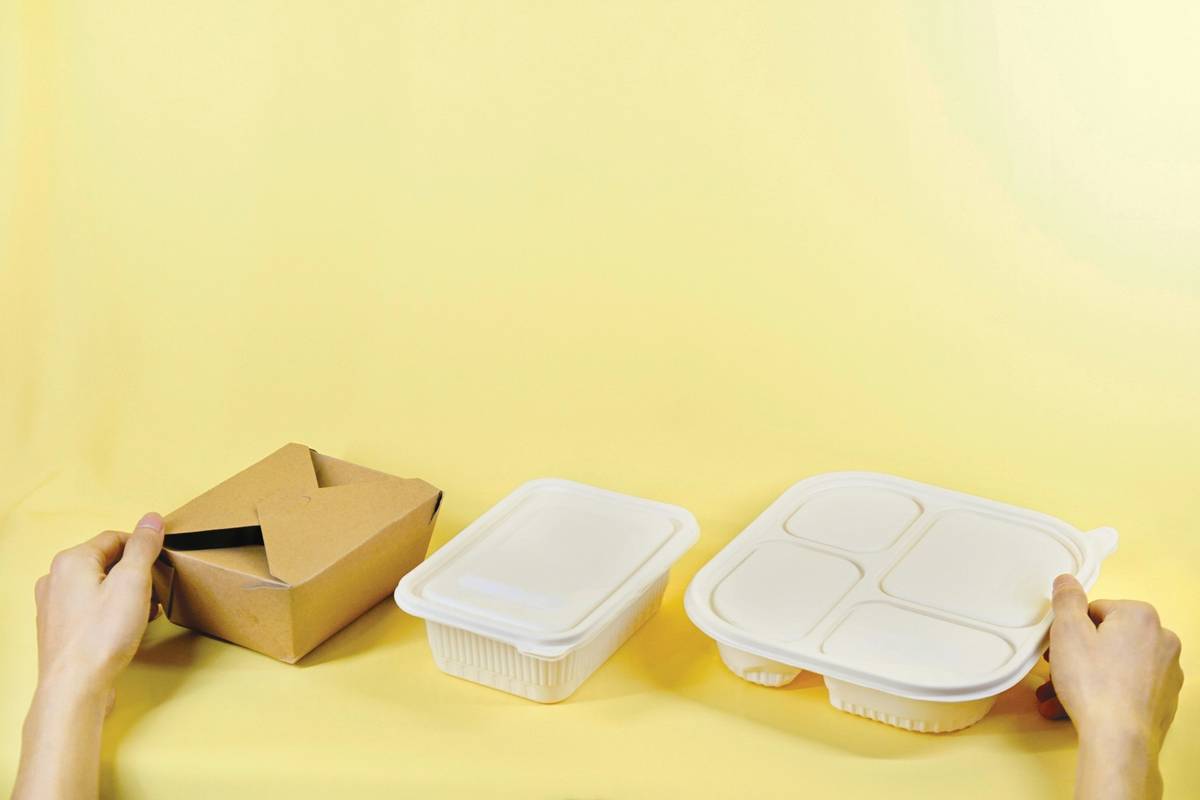
- Check packaging sustainability. Brands like Sunbasket use recyclable or compostable materials; others drown meals in plastic ice packs.
- Taste-test multiple proteins. Many services excel with chicken but flop with fish or tofu. Variety matters for repeat satisfaction.
- Time your first delivery. Don’t order Tuesday if you’re traveling Thursday. Nothing worse than thawing salmon in your mailbox.
⚠️ Terrible Tip Disclaimer
“Just pick the cheapest option!” Nope. Dirt-cheap kits often use frozen veggies, mystery meat, or excessive sodium to cut costs. Your body—and taste buds—will notice.
Real People, Real Results: Who Nailed It?
Case Study 1: Maria, Type 2 Diabetes
Maria struggled with blood sugar spikes from inconsistent home cooking. She switched to Diabetic Kitchen, which provides carb-controlled, diabetic-friendly meals (avg. 45g net carbs/meal). After 8 weeks, her fasting glucose dropped from 142 to 118 mg/dL—verified by her endocrinologist.
Case Study 2: Dev & Priya, Busy Parents
With two toddlers and full-time jobs, this couple burned out on takeout. They tested three meal kits and landed on Home Chef’s “Oven-Ready” line—minimal prep, 15-min bake time. They saved 6 hours/week and cut their monthly food spending by $200 (bye-bye, 9 p.m. pizza runs).
Meal Delivery FAQs Answered Honestly
Are meal delivery services healthier than takeout?
Generally, yes—studies show meal kits contain fewer calories, saturated fats, and added sugars than restaurant meals. But check sodium levels; some exceed 1,000mg per serving.
Can I customize meals for allergies?
Most major services allow substitutions or allergen filtering (e.g., nut-free, dairy-free). However, cross-contamination is possible in shared facilities—those with severe allergies should call customer support first.
How long do meals stay fresh?
Prepared meals last 4–7 days refrigerated; meal kits need cooking within 5–7 days. Always follow storage instructions—when in doubt, sniff test!
Do these services work for weight loss?
Only if they fit your calorie goals. Services like Nutrisystem or BistroMD are designed for weight management. Generic kits? Not so much—unless you track portions.
Conclusion
Mastering the meal delivery basics isn’t about chasing trends—it’s about reclaiming time, reducing stress, and fueling your body without becoming a short-order cook. Whether you need doctor-approved meals or a fun weekend cooking project, the right service exists. Start small, read labels like a hawk, and never pay full price for your first box.
And hey—if you accidentally order a “spicy Thai curry” that tastes like lukewarm ketchup? Been there. Just skip next week, sip some coffee, and try again. Your future well-fed self will thank you.
Like a Tamagotchi, your meal plan needs daily care—and occasional rescue from the brink of starvation.