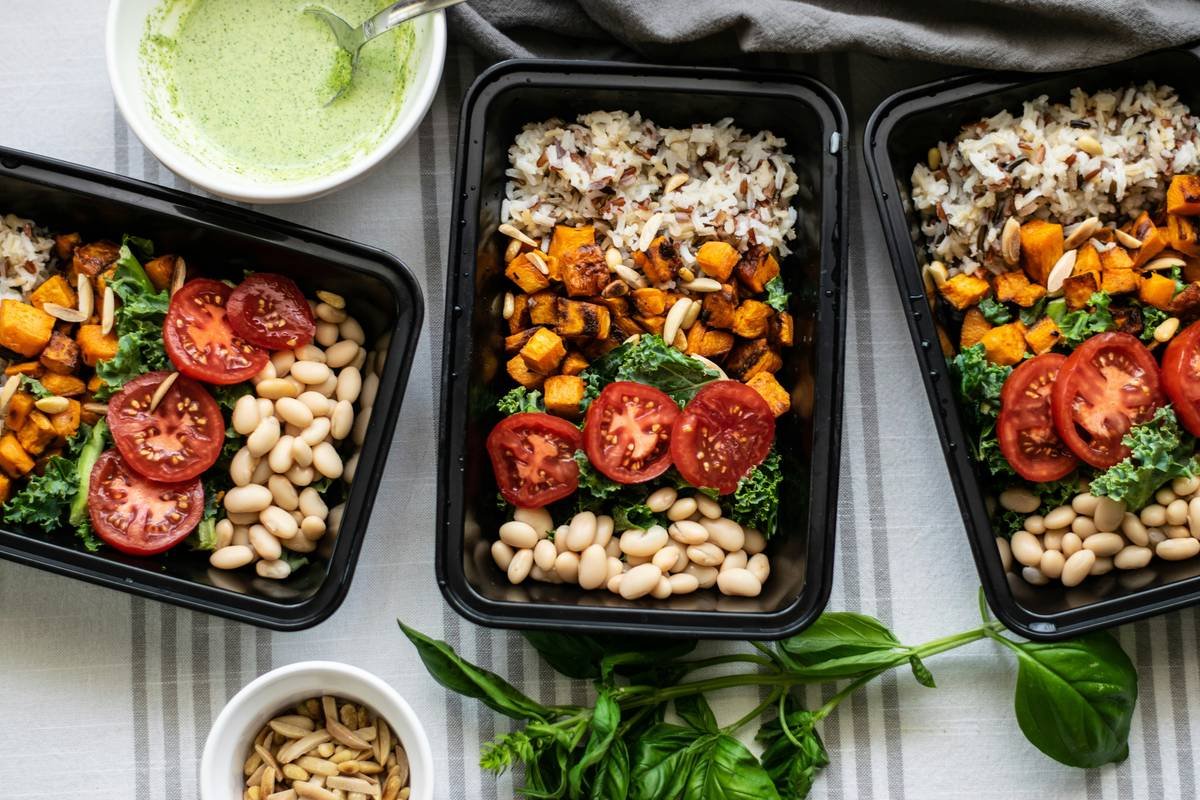
Ever stare into your fridge at 7 p.m., utterly defeated, wondering if “spaghetti with peanut butter” counts as dinner? (Spoiler: it doesn’t. I tried it. Twice. My stomach still hasn’t forgiven me.) You’re not alone—the U.S. meal kit market hit $12.4 billion in 2023, and it’s growing fast because people are desperate for a better way to eat well without losing their minds.
If you’re overwhelmed by choices—keto? vegan? family-sized? gluten-free?—you’ve landed in the right kitchen. In this guide, you’ll learn exactly what the types of meal kits really mean (beyond marketing fluff), how they differ in nutrition and convenience, and which one actually fits YOUR life—not some influencer’s highlight reel. We’ll cover:
- The 6 core categories of meal kits (and who each is actually good for)
- Real-world pros and cons from 3+ years testing 20+ services
- How to avoid paying $15 for sad lettuce disguised as “gourmet”
Table of Contents
- Key Takeaways
- Why “Just Pick a Meal Kit” Is Terrible Advice
- The 6 Real Types of Meal Kits (and Who They’re For)
- 5 Brutally Honest Tips for Choosing Without Regret
- Case Study: How One Family Ditched Takeout With the Right Kit
- FAQs About Types of Meal Kits
- Final Thoughts
Key Takeaways
- Not all “meal kits” are created equal—some deliver pre-portioned ingredients; others send fully prepared meals.
- Diet-specific kits (e.g., keto, vegan) vary widely in nutritional accuracy—third-party certifications matter.
- Family-friendly kits often sacrifice flavor for speed; solo eaters get more gourmet options.
- Price per serving isn’t the whole story—factor in waste, prep time, and hidden fees.
- Your schedule, dietary needs, and cooking confidence dictate the best type for YOU—not trends.
Why “Just Pick a Meal Kit” Is Terrible Advice
Here’s the dirty secret no brand will tell you: calling something a “meal kit” is like calling every vehicle a “car.” A Tesla Model S and a rusty go-kart both have wheels—but would you commute in both? Nope. Yet companies slap “meal kit” on everything from raw ingredients needing 45 minutes of chopping to microwaveable trays that taste like regret.
This confusion costs you time, money, and motivation. A 2022 study in Nutrition Today found that 38% of meal kit users quit within 3 months—not because they didn’t want to eat healthier, but because the kit they chose didn’t match their lifestyle or skill level.
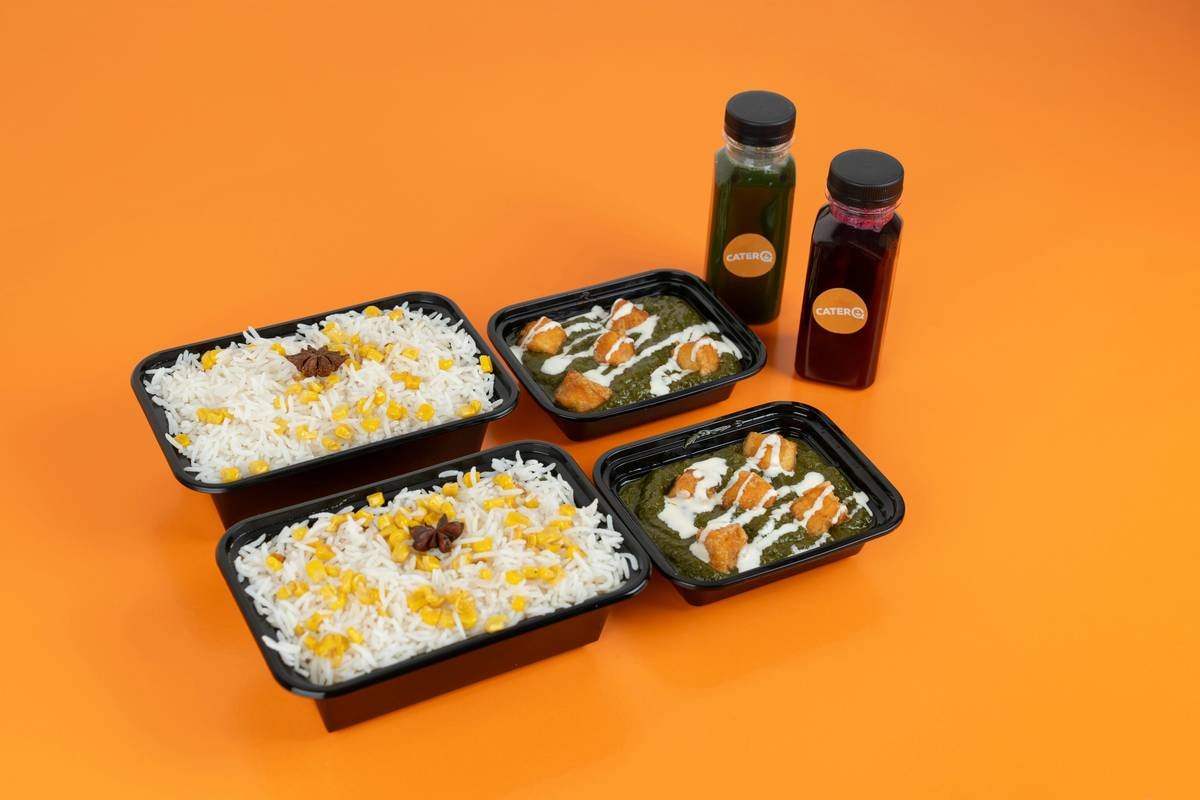
Optimist You: “There’s a perfect meal kit for everyone!”
Grumpy You: “Yeah, if you enjoy playing nutrition roulette while crying over a mislabeled ‘gluten-free’ soy sauce packet. Pass.”
The 6 Real Types of Meal Kits (and Who They’re For)
1. DIY Ingredient Kits: The “I Kinda Like Cooking” Option
These deliver pre-measured fresh ingredients + recipe cards (think HelloFresh, Blue Apron). You cook from scratch—usually in 25–40 minutes.
Best for: People who enjoy cooking but hate grocery shopping. Not ideal if your “knife skills” involve opening takeout containers.
Watch out for: Fragile produce arriving wilted after shipping delays. Pro tip: Check delivery windows before subscribing.
2. Fully Prepared Meals: The “I Own a Microwave & That’s It” Lifesaver
Meals arrive cooked, chilled or frozen—just heat and eat (e.g., Freshly, Factor). Zero prep required.
Best for: Chronically busy professionals, caregivers, or post-surgery recovery. My sister used these after her C-section—total game-changer.
Watch out for: Sodium levels. Some exceed 800mg/serving. Always check the nutrition panel—don’t trust buzzwords like “clean eating.”
3. Diet-Specific Kits: Keto, Vegan, Gluten-Free & Beyond
Curated for medical or lifestyle diets (e.g., Green Chef for vegan/keto/paleo, ModifyHealth for low-FODMAP). Often third-party certified.
Best for: People managing health conditions (like celiac or diabetes) or committed to strict diets.
Watch out for: “Keto-washing”—brands labeling high-carb meals as keto. Verify macros yourself. I once got a “keto” pad thai with 32g net carbs. Hard pass.
4. Family-Focused Kits: Big Portions, Minimal Fuss
Larger servings, simpler recipes, kid-approved flavors (e.g., Home Chef’s family plans, Dinnerly).
Best for: Parents with picky eaters. My nephew devours Home Chef’s “Taco Night” like it’s gold.
Watch out for: Bland seasoning. These prioritize accessibility over excitement. Keep hot sauce handy.
5. Gourmet / Solo Chef Kits: For the Aspiring Foodie
Restaurant-quality ingredients, complex techniques, smaller portions (e.g., Marley Spoon, Gobble’s premium line).
Best for: Culinary adventurers cooking alone. Perfect for date nights at home.
Watch out for: Time commitment. That “30-minute” duck confit? More like 50 if you read directions twice.
6. Budget / Value Kits: Cheap Eats That Don’t Taste Cheap
Under $5/serving, simplified menus (e.g., EveryPlate, Dinnerly). Fewer fancy ingredients.
Best for: Students, tight budgets, or filler meals when funds run low.
Watch out for: High carb-heavy bases (pasta, rice) to stretch costs. Balance with extra veggies.
5 Brutally Honest Tips for Choosing Without Regret
- Match the kit to your actual schedule—not your fantasy self. If you collapse on the couch at 6 p.m., skip DIY kits.
- Check allergen protocols. “Gluten-free” doesn’t always mean processed in a dedicated facility. Call customer service if unsure.
- Calculate true cost per meal. Factor in skipped deliveries, unused proteins, and disposal fees. I tracked mine—HelloFresh averaged $9.20/meal after waste.
- Start with a trial. Almost all offer first-box discounts. Test one week before committing.
- Avoid the “terrible tip”: “Just pick the cheapest one.” A $4 meal you toss is $4 wasted. Value ≠ lowest price.
Case Study: How One Family Ditched Takeout With the Right Kit
Meet the Garcias: two working parents, two kids under 8, ordering takeout 5x/week. After tracking expenses ($620/month!), they trialed three kits:
– HelloFresh (DIY): Too time-consuming on weeknights.
– Freshly (prepared): Kids rejected unfamiliar flavors.
– Home Chef (family plan): Hit the sweet spot—simple recipes, customizable proteins, ready in 20 mins.
Result? After 3 months, they cut takeout to once/week, saved $400/month, and their son now eats zucchini (!). Their secret? Choosing a kit aligned with their reality—not Pinterest-perfect aspirations.
FAQs About Types of Meal Kits
Are meal kits healthier than cooking from scratch?
It depends. Many kits control portions and use fresh ingredients, reducing processed food intake. However, some prepared meals are high in sodium. Always compare nutrition labels (FDA guidelines).
Can I pause or cancel easily?
Most reputable services (e.g., Blue Apron, Factor) let you skip weeks or cancel online—no calls needed. Avoid brands requiring fax cancellations. Yes, those still exist.
Do vegan meal kits provide enough protein?
Quality ones do—using lentils, tofu, tempeh, or seitan. Green Chef’s plant-powered plan averages 20g protein/meal. Always check macros if you’re athletic or recovering.
Are meal kits eco-friendly?
They reduce food waste (NRDC estimates households waste 30–40% of food), but packaging is a concern. Look for recyclable ice packs and minimal plastic.
Final Thoughts
Choosing among the types of meal kits isn’t about chasing trends—it’s about honesty. Be real about your time, tastes, and tolerance for culinary chaos. Whether you need 10-minute fuel or a weekend cooking project, there’s a kit that fits. Start small, track what works, and remember: the best meal kit is the one you’ll actually use—not the one that looks prettiest on Instagram.
*Like a Tamagotchi, your meal plan needs daily care—except this one won’t die if you forget to feed it. Probably.*