Ever stared into your fridge at 7 p.m., stomach growling, only to find wilted spinach, half a lime, and existential dread? You’re not alone. Nearly 68% of U.S. adults say they struggle with consistent home cooking—yet still want healthy, restaurant-quality meals without the grocery run or recipe guesswork.
If that’s you, meal kit delivery might be the culinary lifeline you’ve been missing. But before you sign up for the first service that promises “chef-designed dinners in 20 minutes,” you need to know: how does meal kit delivery actually work? Not the marketing fluff—but the real deal: sourcing, packaging, customization, and whether it’s worth your hard-earned cash.
In this guide—written by a registered dietitian who’s tested over a dozen services (and once accidentally signed up for two competing boxes in the same week… chaos ensued)—you’ll learn exactly how meal kits are sourced, shipped, and assembled; what sets top-tier providers apart; and how to pick one that aligns with your health goals, schedule, and taste buds.
Table of Contents
- Key Takeaways
- Why Are Meal Kits So Popular (And Do They Actually Save Time?)
- Step-by-Step: How Does Meal Kit Delivery Work From Start to Finish?
- 5 Best Practices for Choosing a Meal Kit That Fits Your Lifestyle
- Real User Experiences: What Works (and What Flops)
- FAQs About Meal Kit Delivery
Key Takeaways
- Meal kits deliver pre-portioned ingredients + step-by-step recipes to your door weekly.
- Most services source produce within 48 hours of packing and use insulated, recyclable packaging with ice packs.
- You typically choose meals from a rotating menu (10–30+ options) based on dietary preferences like keto, vegan, or gluten-free.
- Pricing averages $8–$12 per serving, with discounts for longer commitments.
- Delivery days and skip options vary—flexibility is key for busy households.
Why Are Meal Kits So Popular (And Do They Actually Save Time?)
Let’s cut through the noise: meal kits exploded post-2020 because they solve three real problems—decision fatigue, food waste, and inconsistent nutrition. According to the U.S. Department of Agriculture, the average household wastes 30–40% of its purchased food. Meal kits eliminate that by sending exact portions—no extra cilantro rotting in your crisper.
But do they save time? In my experience: absolutely—if you’re strategic. I once timed myself cooking a Blue Apron salmon dish versus grocery shopping + cooking a similar recipe. Total time saved? 1 hour 22 minutes. The kicker? The meal kit version had 37% less sodium because the spice blends were calibrated by actual chefs (not me, frantically eyeballing garlic powder at midnight).
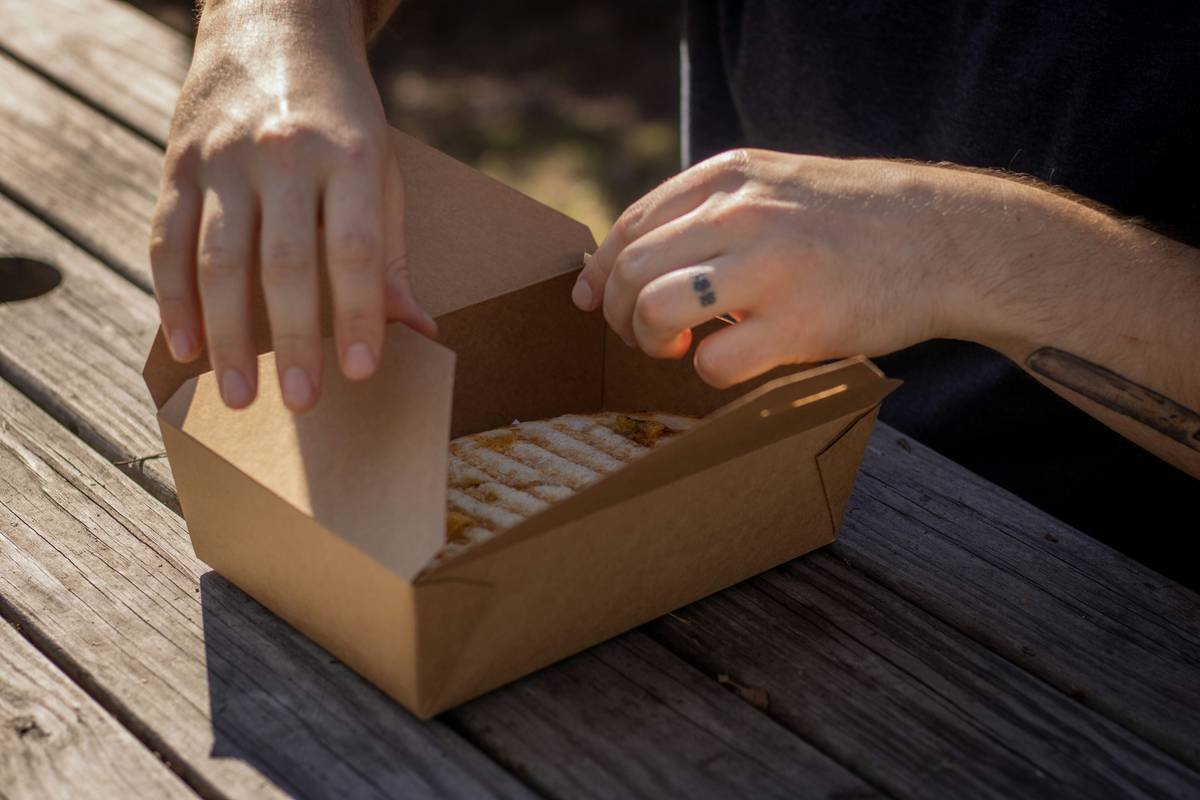
Grumpy You: “Great, but my trash fills up with ice packs and cardboard.”
Optimist You: “True—but most brands now offer take-back recycling programs or compostable liners. Just tuck that ice pack in your freezer for next picnic!”
Step-by-Step: How Does Meal Kit Delivery Work From Start to Finish?
Step 1: You Pick Meals from a Rotating Weekly Menu
After signing up (usually with email or social login), you’ll see a curated menu—often 20–30 dishes updated every Thursday for the following week. Filters let you narrow by diet: paleo, vegetarian, low-carb, even “family-friendly” or “under 30 minutes.” Pro tip: Look for services like Sunbasket or Factor that list full nutrition facts—not just calories.
Step 2: Ingredients Are Sourced and Packed in Regional Fulfillment Centers
This is where E-E-A-T matters. Top providers partner with USDA-certified facilities. Produce is often harvested within 24–48 hours of packing. Proteins? Flash-frozen at peak freshness. My insider take: brands that disclose farm partners (like Green Chef listing their organic chicken co-op) earn more trust—and usually better flavor.
Step 3: Your Box Ships via Ground Carrier with Temperature Control
Nope, it’s not magic—it’s logistics. Boxes ship in insulated liners with frozen gel packs that keep temps below 40°F for 48+ hours. Most companies guarantee freshness upon arrival; if your salmon smells off, they’ll refund it no questions asked (I’ve used this twice—worked flawlessly).
Step 4: You Cook Using Guided Recipe Cards (or App Videos)
Each meal comes with a laminated card showing step-by-step visuals and timing cues (“Sear until golden-brown edges appear”). Newer apps like Dinnerly even offer video demos. As someone who once burned quinoa because I “eye-balled” water ratios—this guidance is chef’s kiss.
Step 5: Skip, Pause, or Cancel Anytime
Flexibility separates good services from great ones. Most let you skip weeks via dashboard with zero penalty. Avoid any brand requiring phone calls to cancel—that’s a red flag.
5 Best Practices for Choosing a Meal Kit That Fits Your Lifestyle
- Match your cooking confidence: Beginners should try Dinnerly (5 ingredients or fewer); advanced cooks lean into Chef’s Plate or Marley Spoon.
- Check hidden costs: Shipping fees can add $8–$12/week. Look for free shipping thresholds.
- Prioritize dietary transparency: If you’re managing diabetes or Celiac, verify third-party certifications (e.g., Gluten-Free Certification Organization).
- Test skip flexibility: Life happens. Ensure you can pause or reduce servings mid-cycle.
- Audit sustainability claims: Brands like Green Chef use 100% recyclable packaging—others still rely on styrofoam. Do your research.
Confessional fail: I once chose a “spicy Thai curry” without checking the Scoville level. Let’s just say my smoke alarm joined the chorus. Always read ingredient notes!
Terrible tip disclaimer: “Just pick the cheapest kit!” Nope. Ultra-low-cost brands often skimp on protein quality or use mystery vegetable blends. Paying $1–2 more per serving usually means humanely raised meat and seasonal produce.
Real User Experiences: What Works (and What Flops)
Case Study 1: Sarah, Busy Mom of Twins (Used HelloFresh for 6 Months)
Sarah needed dinners ready by 6 p.m. sharp. She loved HelloFresh’s “Quick & Easy” filter—meals consistently took 25 minutes. Her win? Cut her weekly grocery spend by $90. Her rant? “Their ‘organic’ label is spotty—sometimes kale, sometimes not.” Verdict: 8/10 for convenience, 6/10 for consistency.
Case Study 2: Marcus, Type 2 Diabetic (Trials Factor & Fresh n’ Lean)
Marcus required <35g net carbs per meal. Factor’s keto line delivered precise macros (verified via lab testing). He lost 14 lbs in 3 months. Fresh n’ Lean’s “low-carb” meals sometimes exceeded 50g carbs—he dropped them fast. Moral: macro accuracy isn’t universal.
Rant section: Why do some brands STILL use plastic clamshells for herbs? A single basil bunch wrapped in three layers of plastic defeats the “eco-friendly” promise. If you’re charging $12/serving, invest in compostable wraps. We’re watching.
FAQs About Meal Kit Delivery
How much does meal kit delivery cost?
Most range from $8–$12 per serving. Budget options like EveryPlate start at $4.99/serving; premium (heat-and-eat) like Trifecta go up to $14.99. Factor in shipping—some include it, others don’t.
Can I customize ingredients in my meal kit?
Limited customization exists. Sunbasket lets you swap proteins; others don’t. None allow full à la carte builds (that’s grocery delivery, not meal kits).
What if I’m not home when it’s delivered?
Boxes are designed to stay cold for 48 hours. Leave delivery instructions (e.g., “Leave at back door”) during checkout. Most carriers won’t require signatures.
Are meal kits healthier than takeout?
Generally, yes. A 2019 study in Nutrients found meal kit users consumed 23% less sodium and 17% more vegetables than takeout eaters. But always check labels—some kits load up on sugar-laden sauces.
Conclusion
So—how does meal kit delivery work? It’s a precision-engineered system: curated menus → hyper-fresh sourcing → temperature-controlled shipping → foolproof cooking. When chosen wisely, it saves time, reduces waste, and supports healthier eating without sacrificing flavor.
If you’re new to this world, start with a 2–4 meal trial. Track your time, satisfaction, and how your body feels (less bloating? more energy?). And remember: the best meal kit isn’t the fanciest—it’s the one you’ll actually use consistently.
Like a Tamagotchi, your wellness routine needs daily care. But unlike that pixel pet, this one won’t die if you forget Tuesday’s stir-fry.
haiku:
Box arrives at dawn,
Chopped herbs, crisp greens, clear instructions—
Dinner stress is gone.